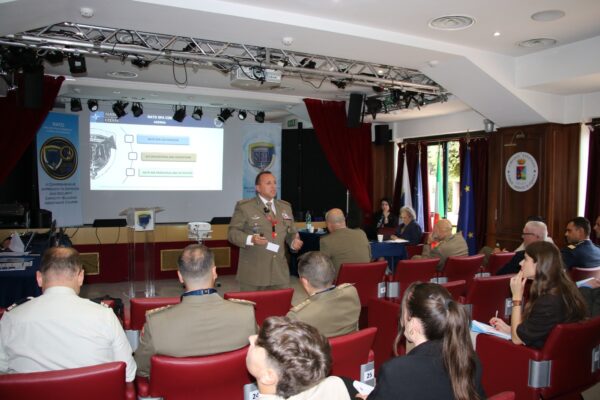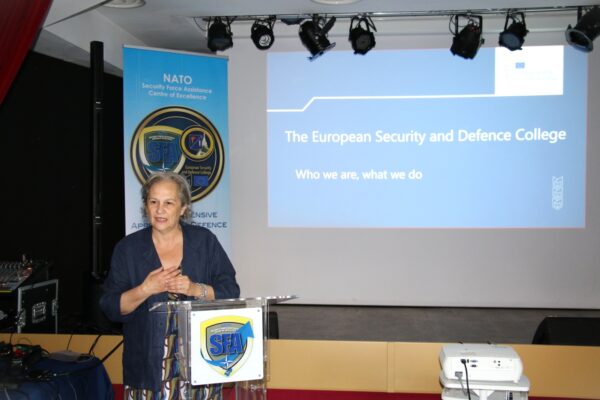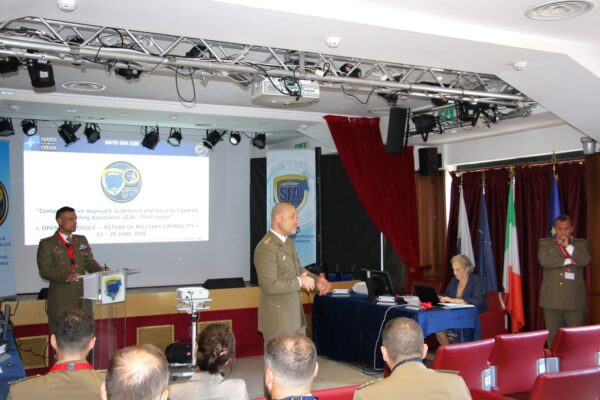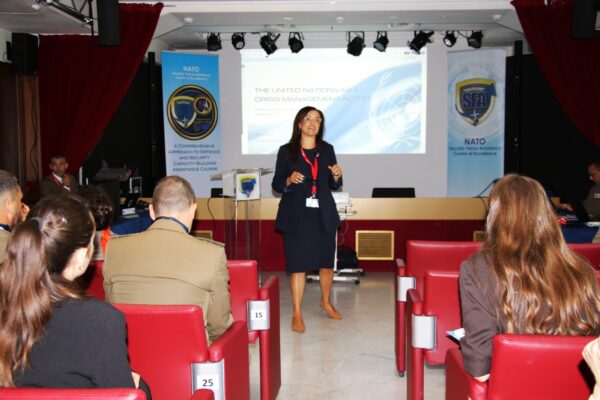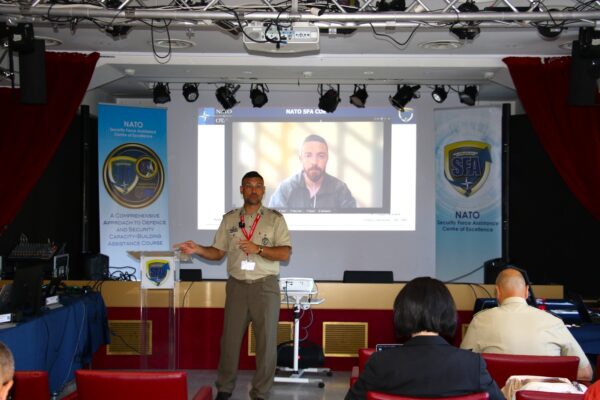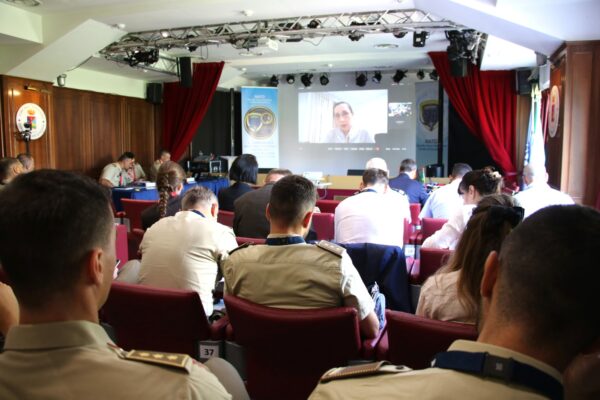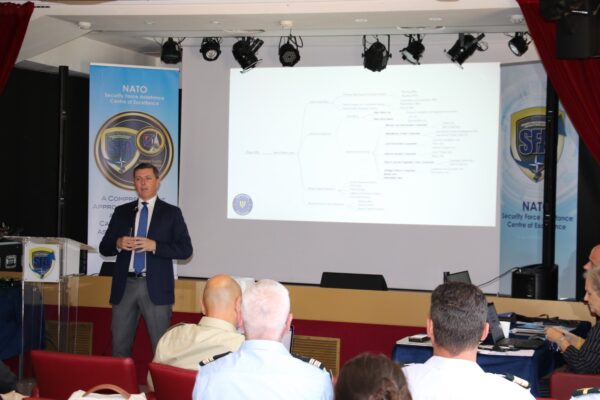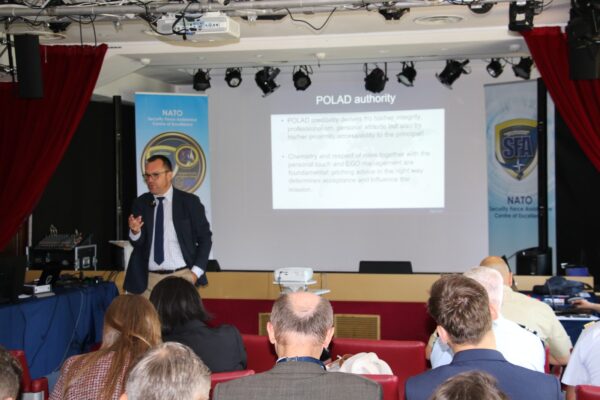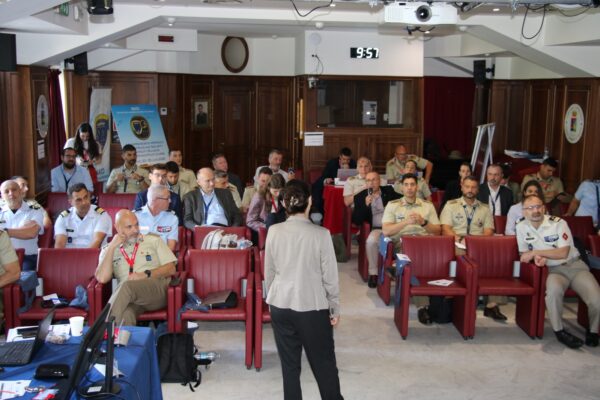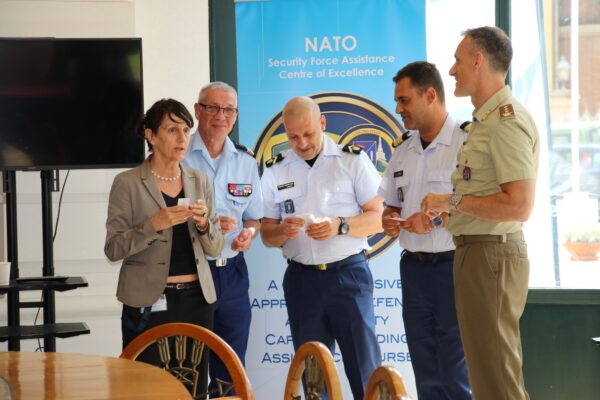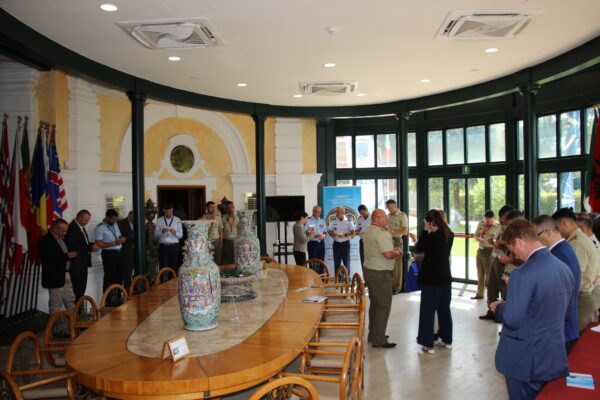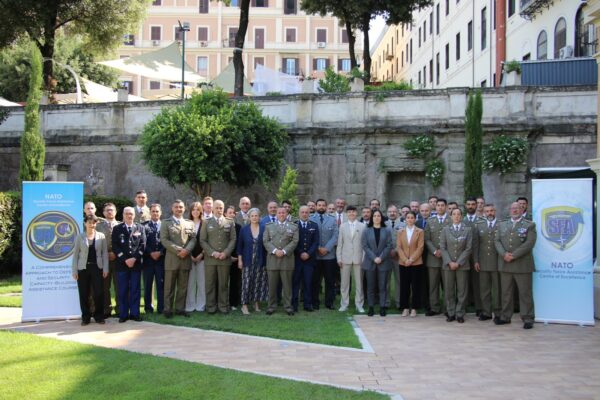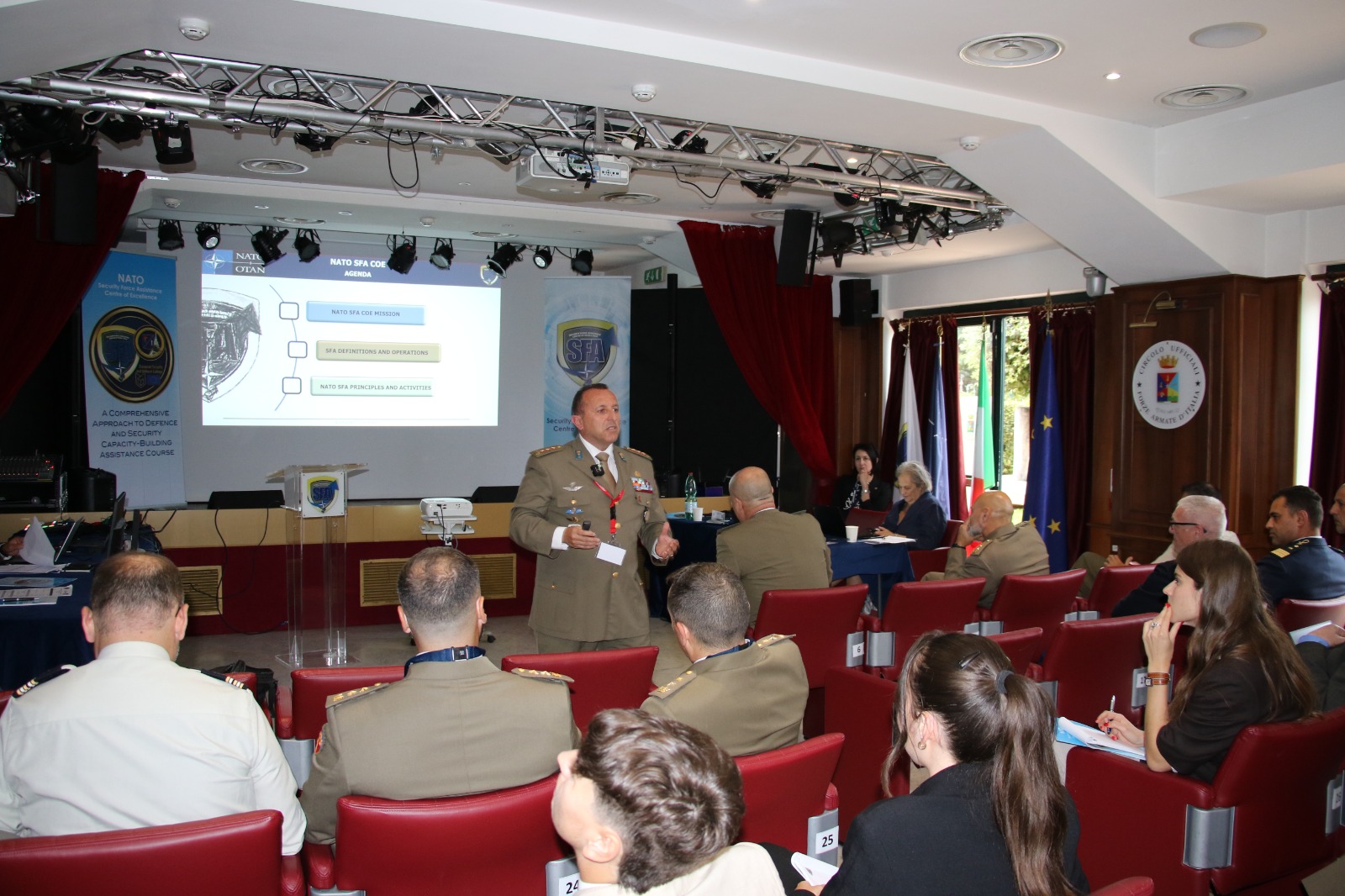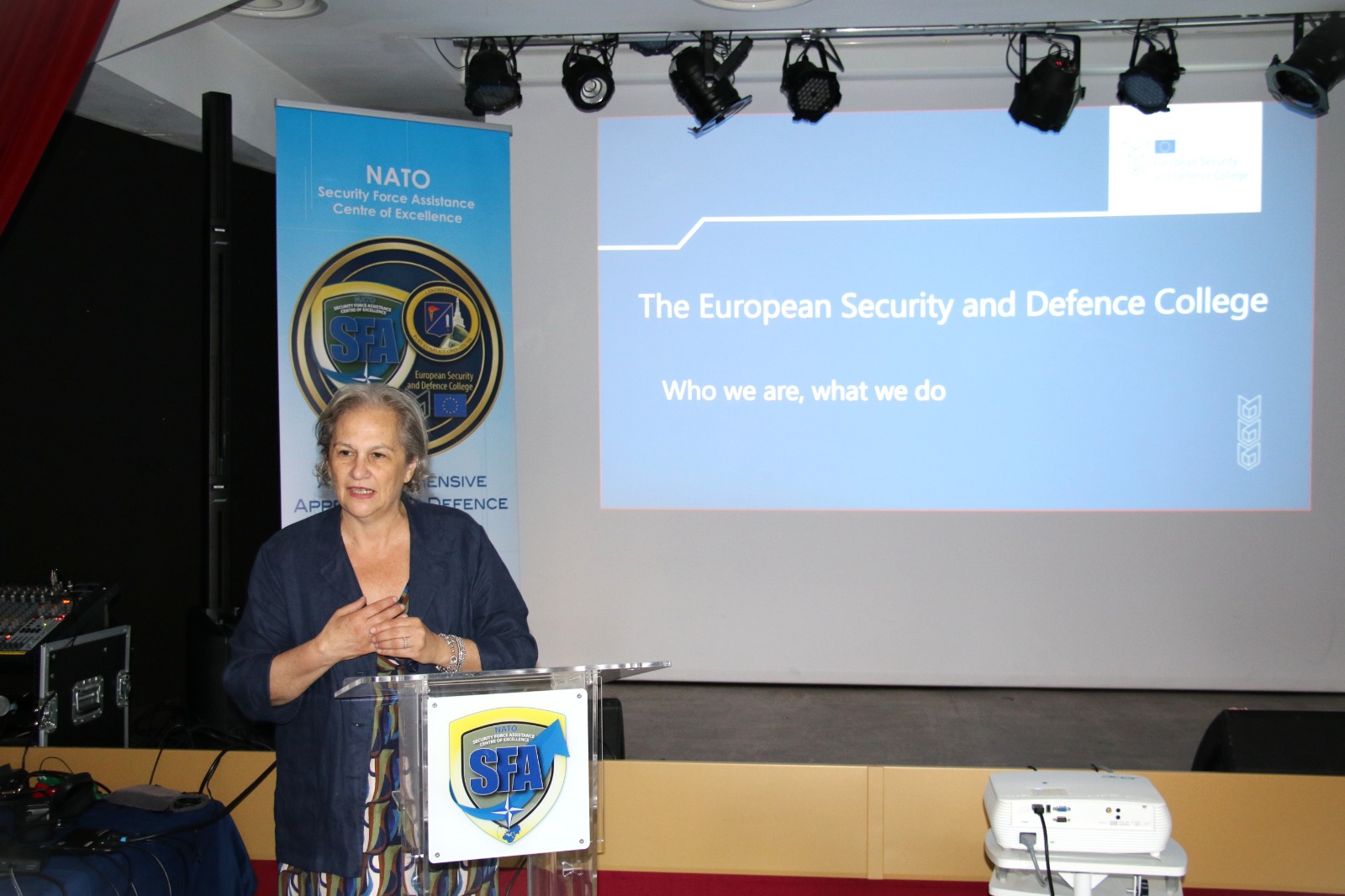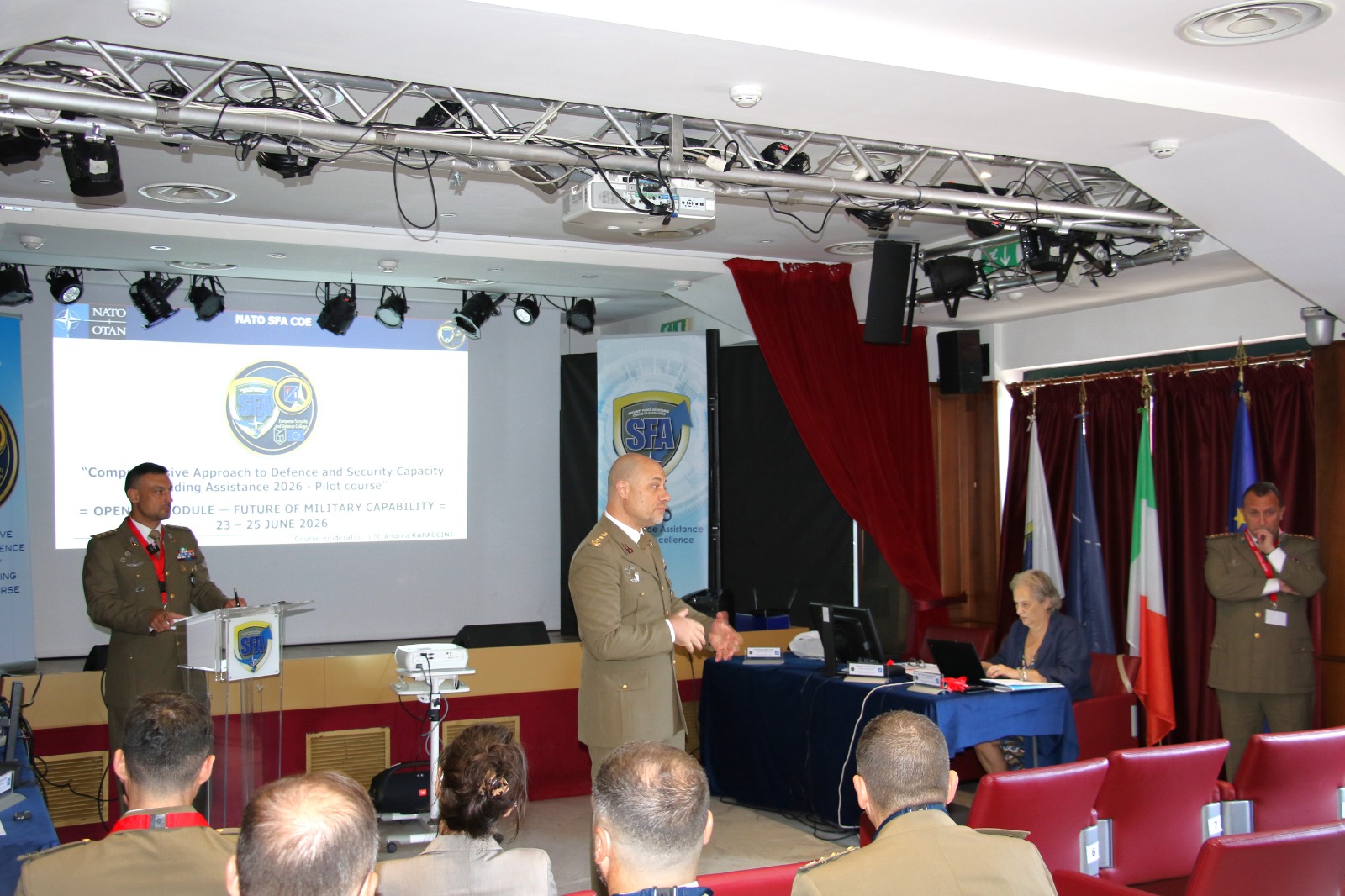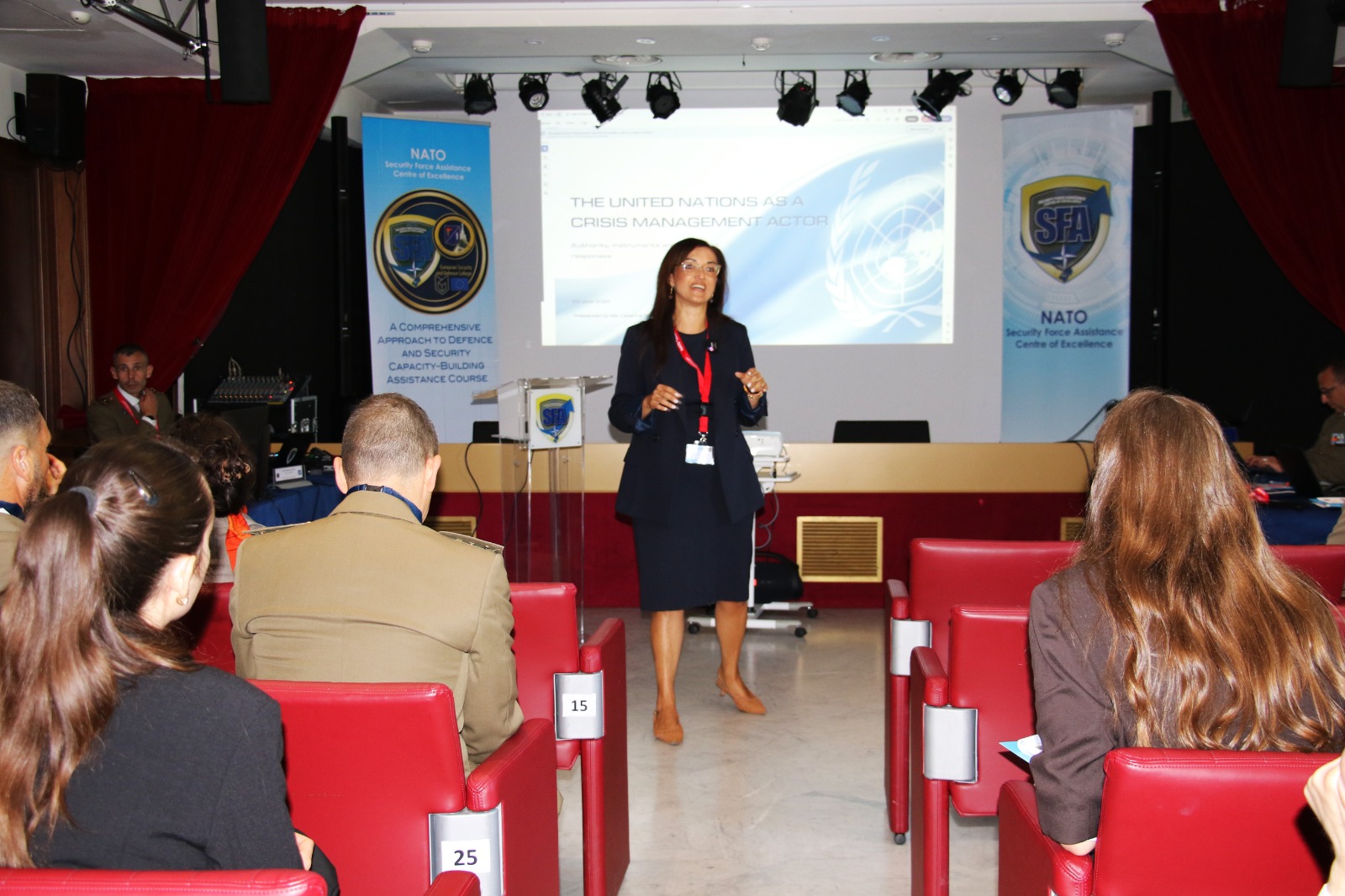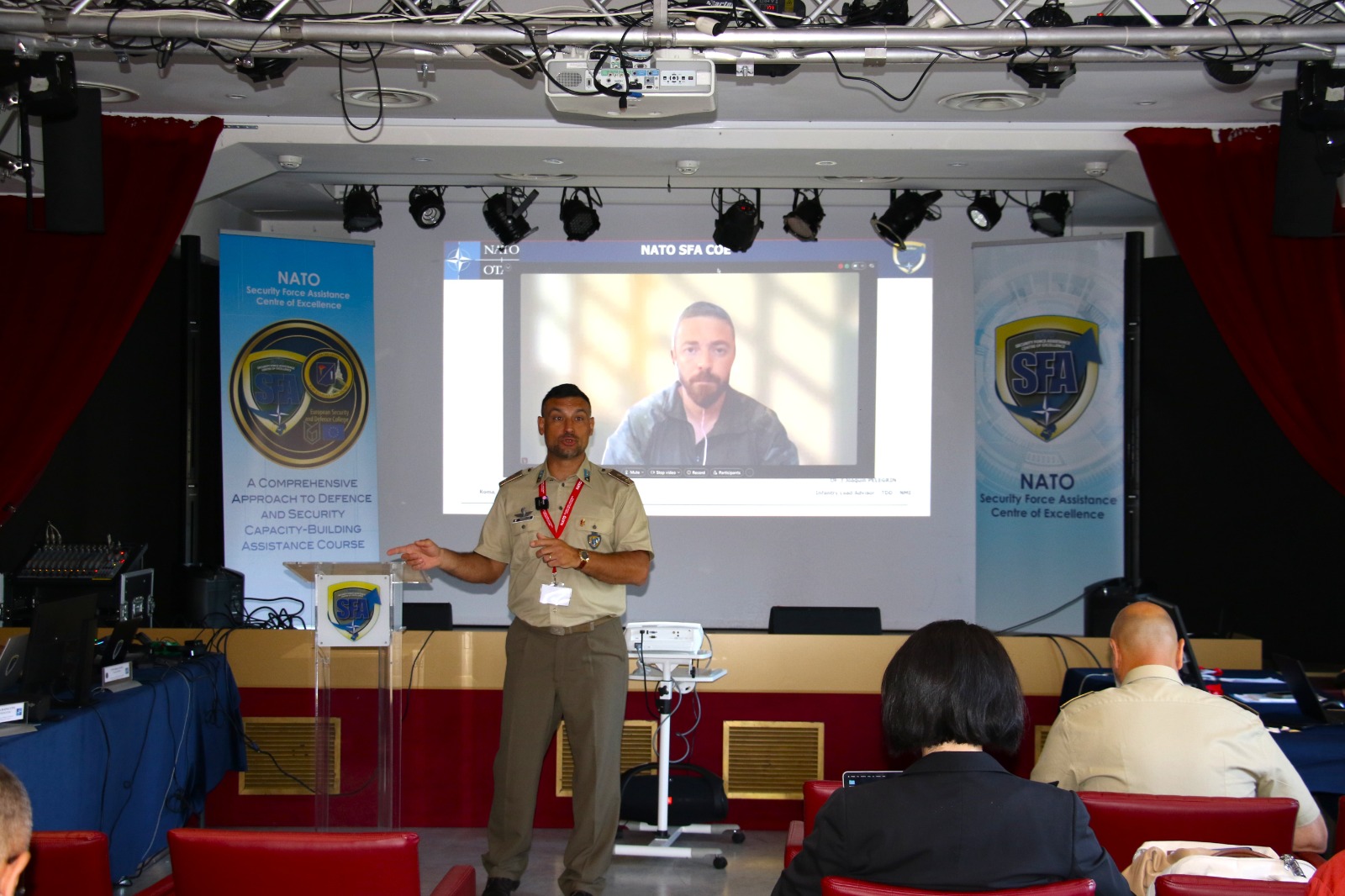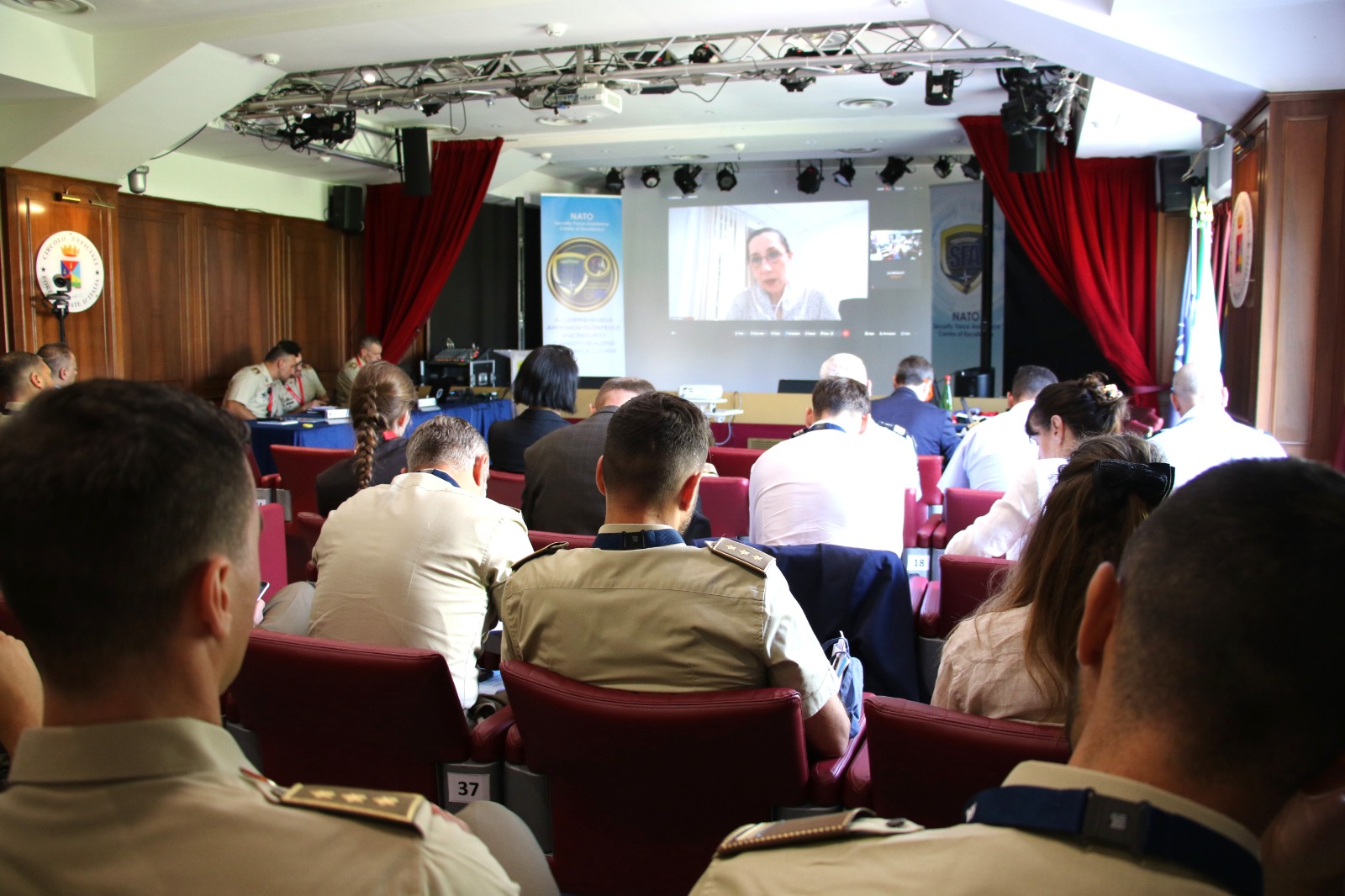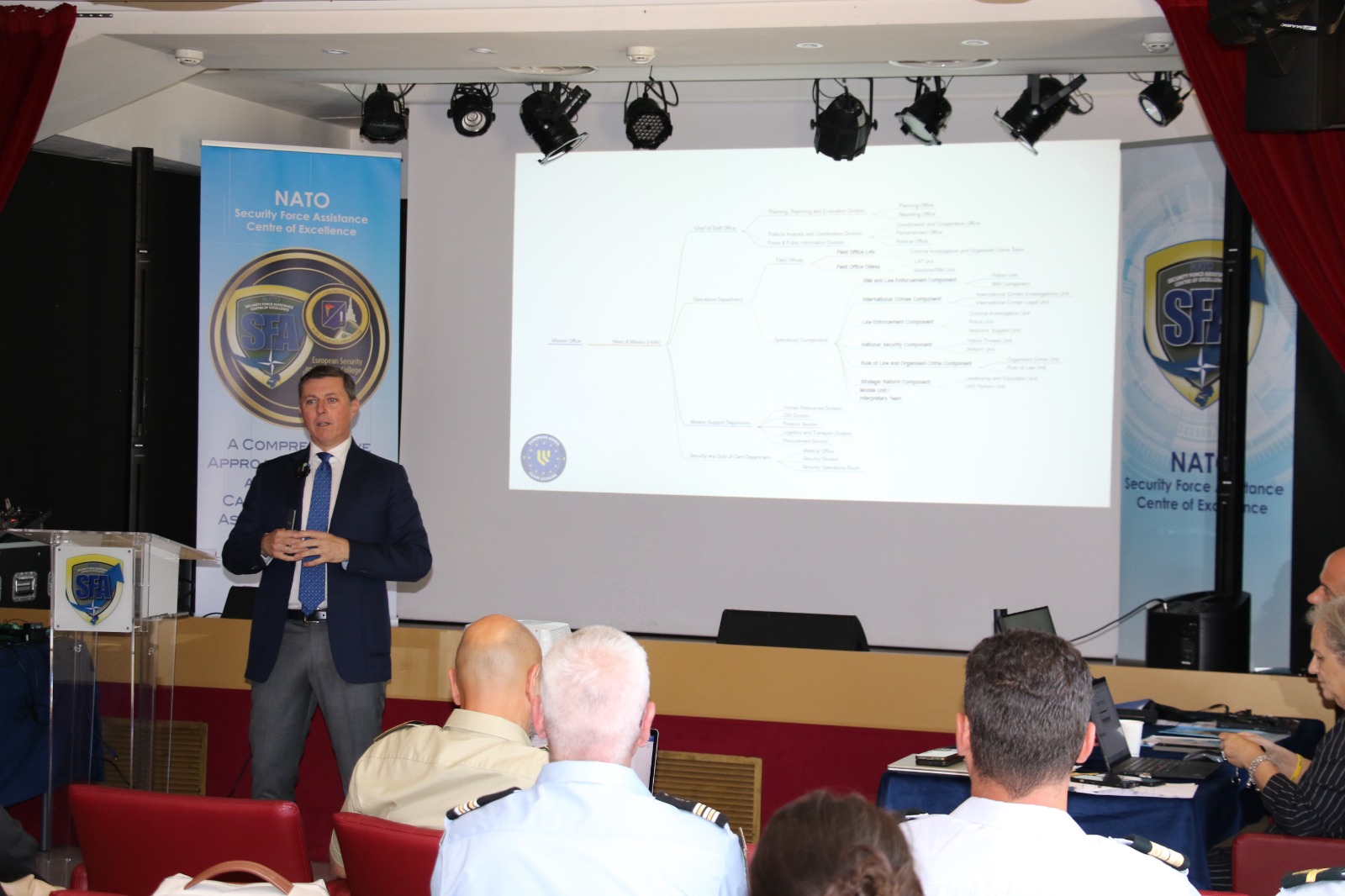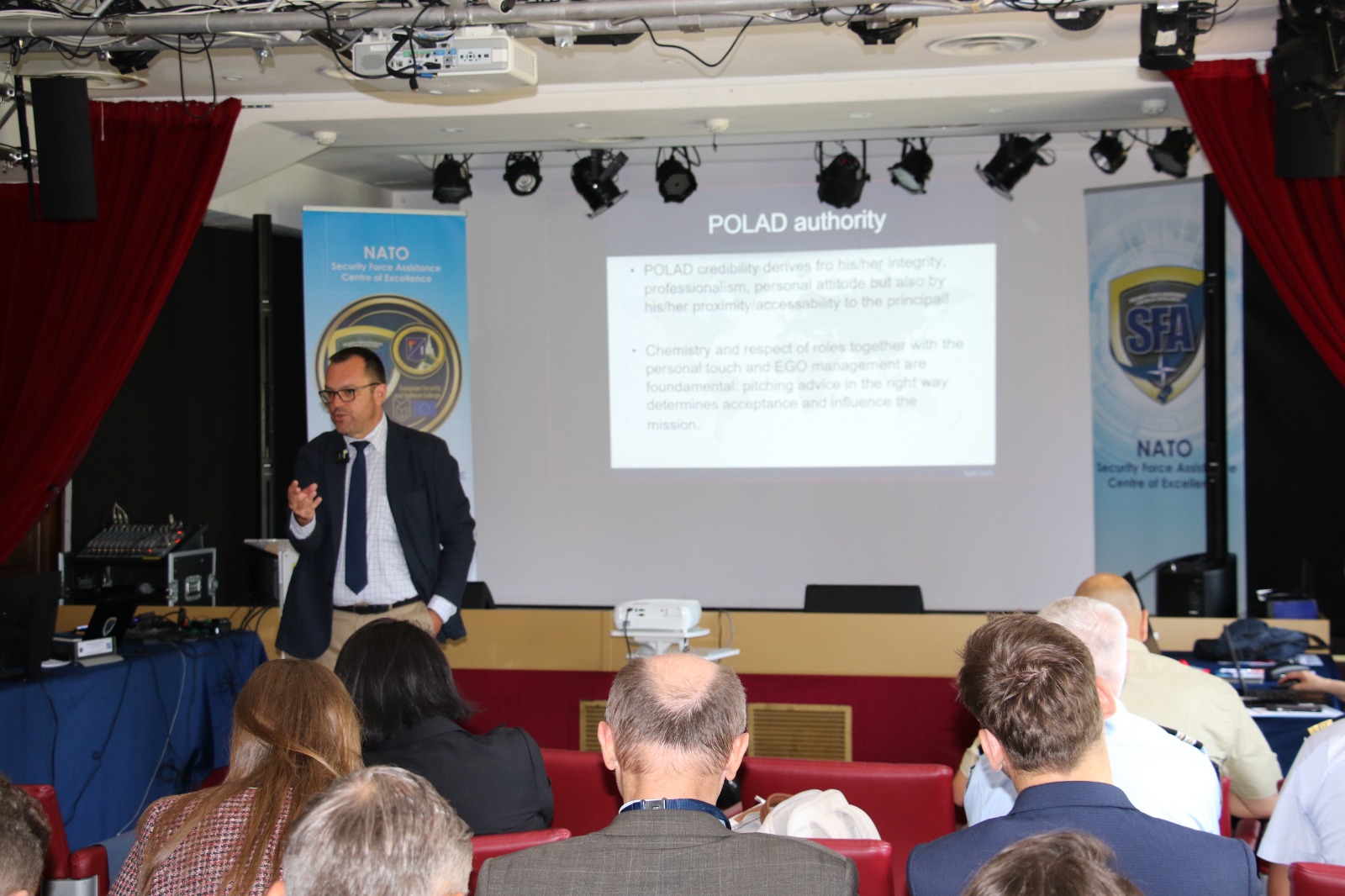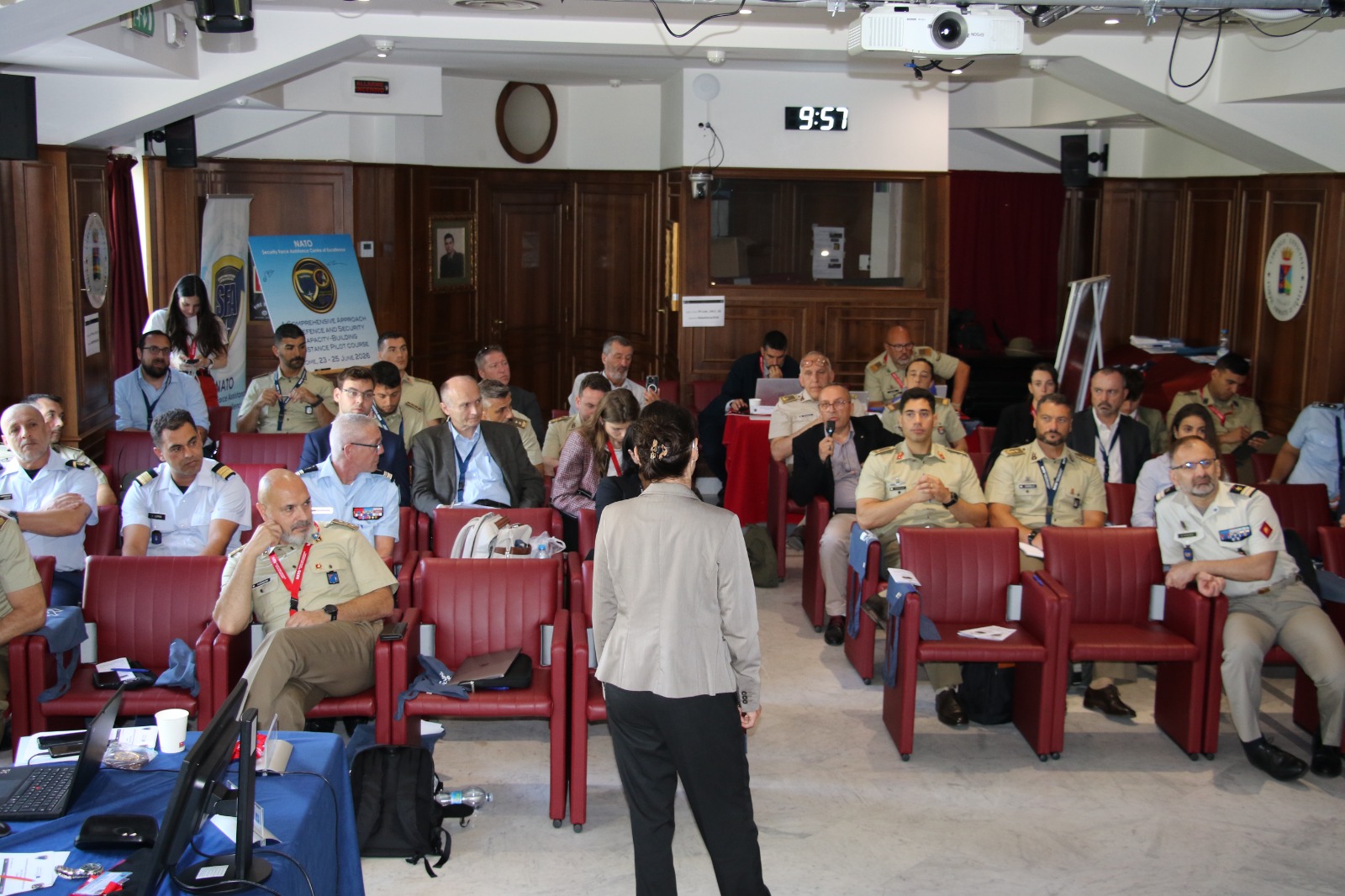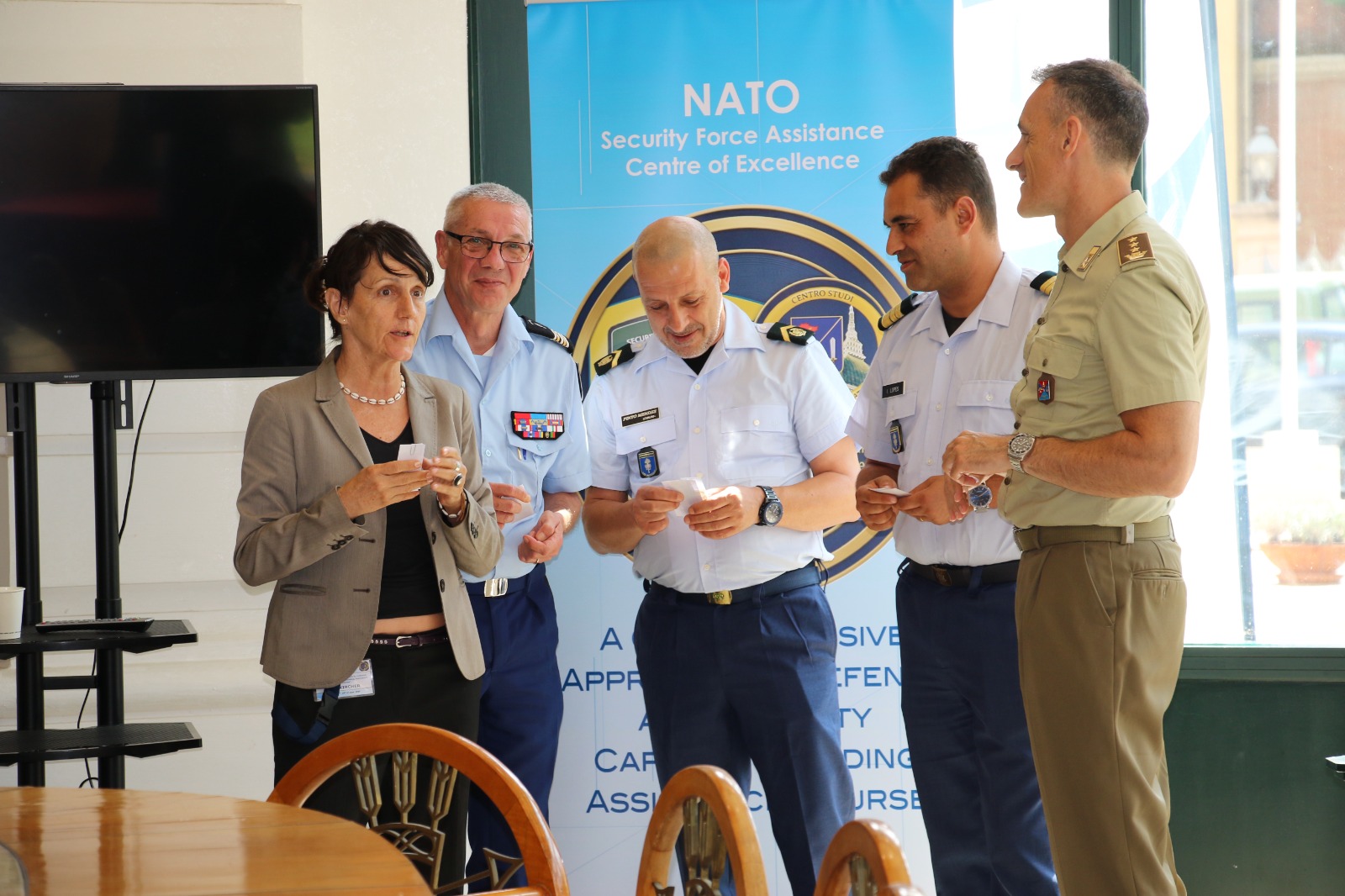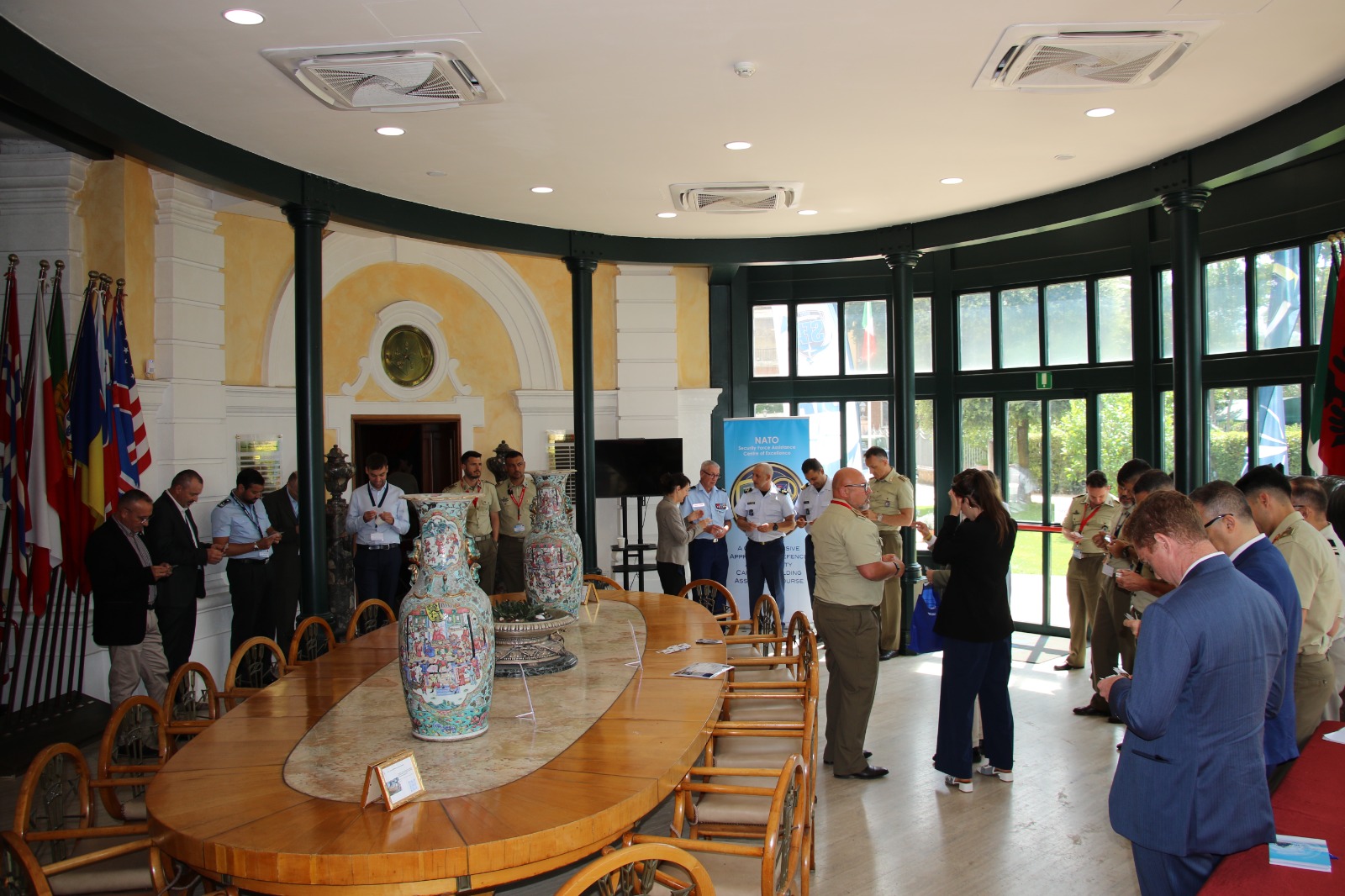
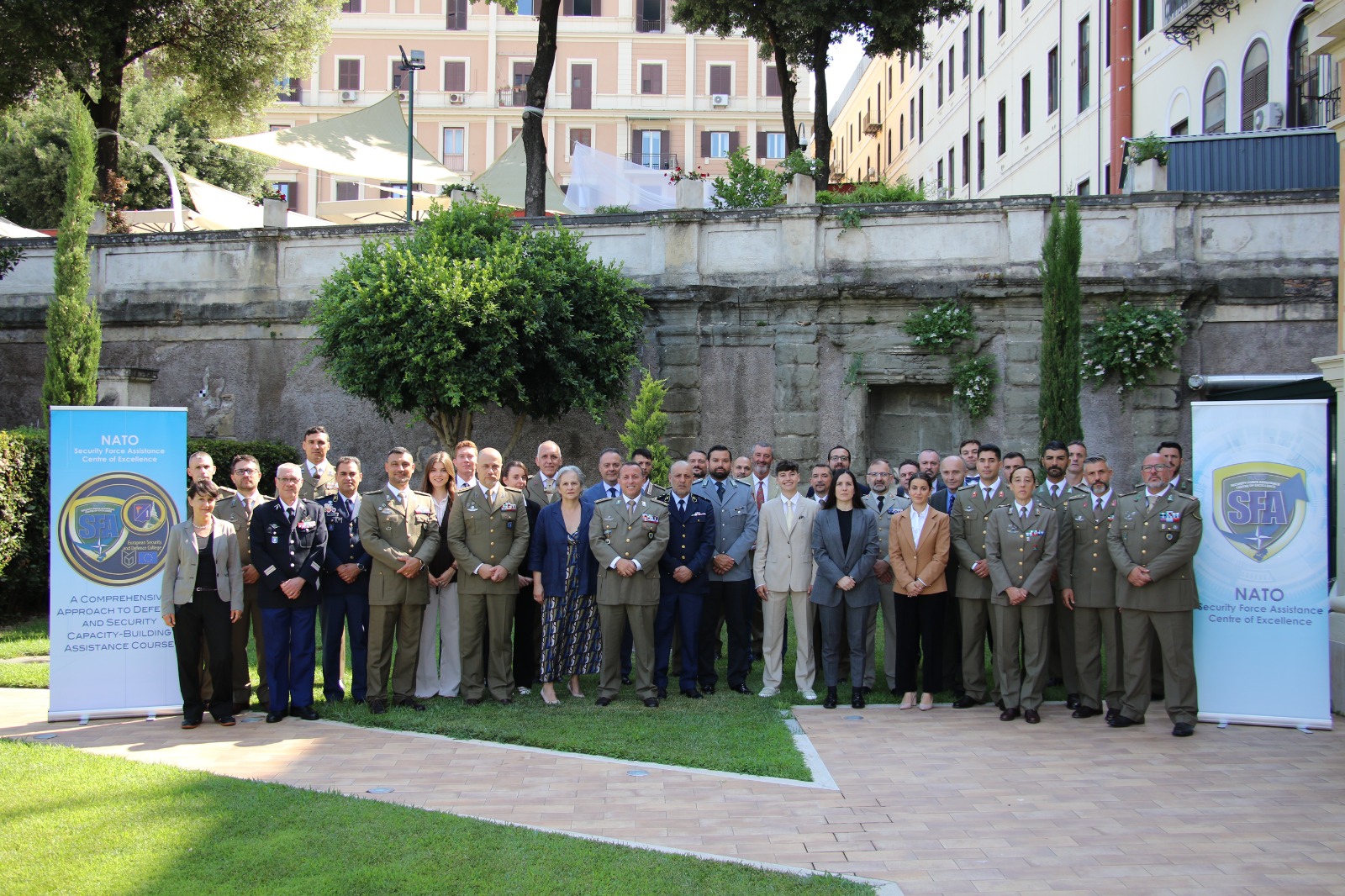
From the 23rd to the 25th of June 2026, the NATO Security Force Assistance Centre of Excellence (NATO SFA COE), in close collaboration with the ITA Army Post Conflict Operations Study Centre (PCOSC) and the European Security and Defence College organized the first course entitled “A Comprehensive Approach to Defence and Security Capacity-Building Assistance” focused on comparing the NATO and EU approaches to Defence Capacity Building at the Italian Armed Forces Officers’ club (CUFA) in Rome.
This course marked the beginning of a new collaboration between the three entities, bringing together the European Union perspective and a shared focus on capacity building to strengthen Security Force Assistance through a common, coordinated, and long-term approach.
The course welcomed a highly diverse cohort of multinational participants, including military officers, civilian security experts from various EU and NATO member and international institutions, all gathered to enhance strategic expertise within a joint EU-NATO framework.
This pilot course provided attendees with the doctrinal foundations, technical skills, and political awareness required to operate effectively by implementing the comprehensive and integrated approach that defines the EU’s identity and effectiveness worldwide.
The course addressed several key topics, including:
- Mapping stakeholders and local actors in complex operational theatres, in order to visualize the context, identify connections, and assess internal and external threats.
- The European Union’s Common Security and Defence Policy crisis management framework, with a focus on structures and procedures.
- NATO-EU cooperation in Defence Sector Reform and Capacity Building.
- The challenges related to the role of a Chief Political Advisor within NATO, as well as the need for coordination among international actors involved in missions in the Balkans.
- An interactive lecture on Communication and negotiation with Partner Forces in multicultural operational contexts.
Moreover, a particularly formative and engaging part of the course was the case-study session, which allowed participants to acquire knowledge and share experiences through real operational scenarios, including the NATO Mission Iraq, the European Union Advisory Mission (EUAM) Ukraine, and the European Union Capacity Building Mission in Mali.
The course concluded with a fruitful discussion that brought together the various topics and perspectives explored throughout the programme, allowing participants to reflect on current challenges in Defence and Security Capacity-Building Assistance and on the importance of a coordinated EU-NATO approach in addressing complex operational environments.